The Role of Excavation in Strong Building Foundations
Every successful construction project starts below the surface. While the finished structure is what most people see, the real strength of any building comes from the foundation beneath it. This is where earthmoving services play a critical role. Proper excavation ensures that foundations are stable, level and built to support the structure over time. For anyone planning a construction project, understanding how earthmoving in Dubbo contributes to long-term performance is essential.
Why Excavation is the First Critical Step
Excavation is the starting point for any foundation. Without proper groundwork, even well-designed structures can face issues later.
- Removes unsuitable soil and debris
- Prepares the site for accurate foundation work
- Establishes the correct depth and layout
- Supports safe and efficient construction
A properly prepared site allows the rest of the building process to proceed with confidence.
Creating a Stable Base for Construction
The main goal of excavation is to create a stable base that can support the weight of the structure. This involves careful planning and precise execution.
- Ensures even ground for foundation placement
- Reduces the risk of shifting or settling
- Supports consistent load distribution
- Provides a reliable starting point for construction
Working with professionals in earthmoving in Dubbo and surrounding areas helps ensure that stability is achieved from the beginning.
Soil Conditions And Their Impact
Not all soil is suitable for building foundations. Understanding soil type is essential for determining the right excavation approach.
- Clay soils may expand and contract
- Sandy soils can shift under pressure
- Rocky ground requires specialised equipment
- Unstable soil may need replacement or compaction
Assessing these conditions ensures that the site is prepared correctly for long-term performance.
Achieving Accurate Levels & Gradients
Precision is a key part of excavation work. Even small variations in levels can affect the overall structure.
- Ensures foundations are level and aligned
- Supports proper drainage around the site
- Prevents water pooling near the foundation
- Improves overall structural integrity
Accurate grading is essential for both functionality and durability.
Supporting Proper Drainage Around Foundations
Drainage plays a major role in maintaining the strength of a building’s foundation. Poor drainage can lead to long-term damage.
- Directs water away from the structure
- Reduces soil erosion around foundations
- Prevents moisture-related issues
- Supports long-term structural stability
Proper excavation ensures that drainage systems can be installed effectively.
Preventing Structural Movement Over Time
One of the biggest risks in construction is foundation movement. Excavation helps reduce this risk by preparing the ground correctly.
- Removes weak or unsuitable materials
- Compacts soil to improve strength
- Creates a consistent base for construction
- Minimises future settling issues
This preparation is essential for maintaining the integrity of the building over time.
The Role of Equipment & Expertise
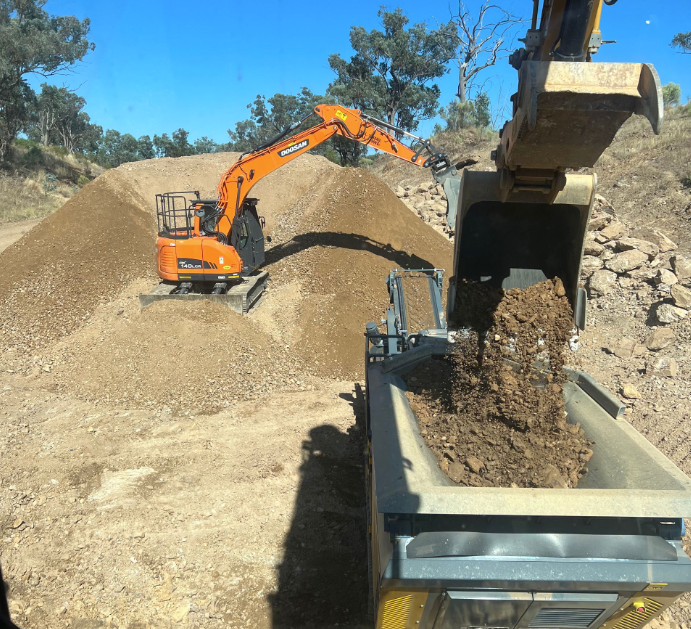
Excavation requires the right equipment and skilled operators to achieve accurate results. This is not a process that can be rushed.
- Use of machinery suited to site conditions
- Experienced operators ensure precision
- Ability to handle complex terrain
- Efficient completion of groundwork
Professional earthmoving services combine equipment and expertise to deliver reliable outcomes.
Meeting Building Standards & Specifications
All excavation work must align with building requirements and project specifications. This ensures that foundations are constructed correctly.
- Follows engineering and design plans
- Meets safety and compliance standards
- Supports structural requirements
- Reduces risk of costly rework
Working with qualified contractors helps ensure all requirements are met.
Preparing For Different Types of Foundations
Different projects require different foundation types, and excavation must be tailored accordingly.
- Slab foundations require level surfaces
- Footings need precise depth and positioning
- Retaining walls require careful excavation
- Custom designs may involve specialised preparation
Understanding these needs ensures the excavation process supports the intended structure.
Long-Term Benefits of Proper Excavation
Investing in quality excavation provides long-term benefits that extend beyond the initial build.
- Reduces maintenance and repair costs
- Improves overall building performance
- Enhances safety and durability
- Supports long-term property value
A strong foundation begins with careful planning and execution at the excavation stage.
A Reliable Approach to Building Foundations
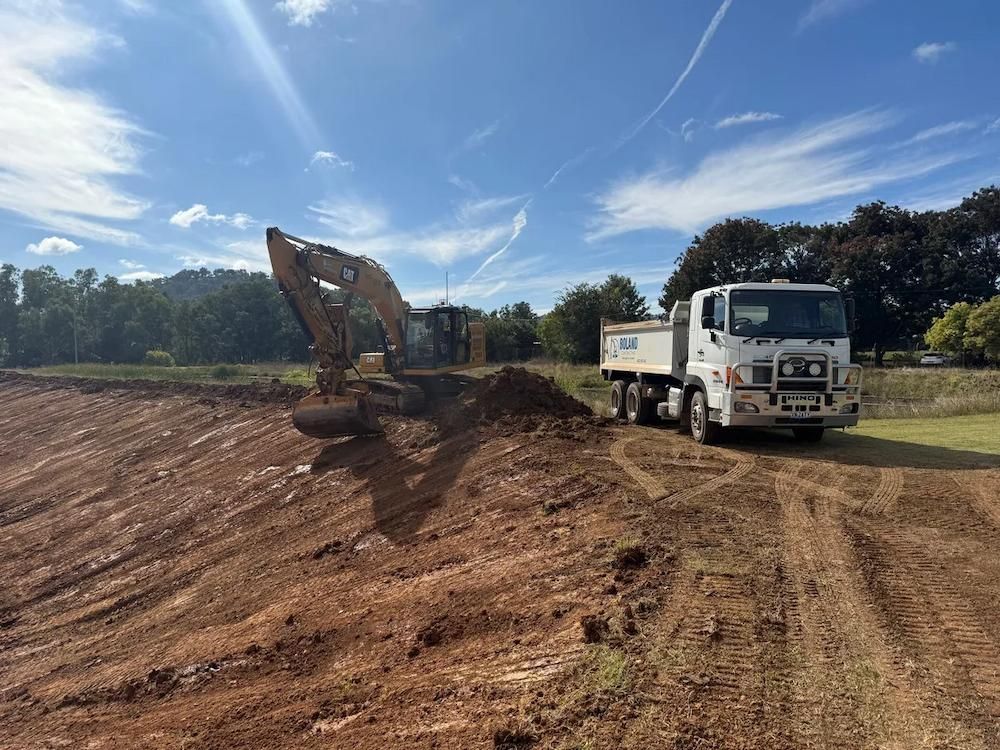
When looking for professional earthmoving Dubbo clients can rely on Boland Contracting for services designed to support strong and reliable foundations. We understand the importance of precision and preparation in every project, ensuring that excavation work is completed to the highest standard.
Excavation is more than just moving soil, it is about creating the conditions for a structure to perform over time. By investing in professional services, you can reduce risks and improve the outcome of your project.
It is also important to recognise that early planning plays a major role in excavation success. Reviewing site conditions, understanding soil types and preparing for potential challenges helps ensure the process runs smoothly. This preparation allows for better coordination between excavation and the next stages of construction.
By taking a structured approach and working with trusted earthmoving professionals in Wellington, you can ensure your foundations are built on a stable and reliable base that supports long-term performance.
Additional planning considerations can further improve excavation outcomes. Site access, surrounding structures and environmental factors all play a role in how excavation is carried out. Limited access areas may require smaller machinery or staged excavation, while nearby buildings may need additional care to prevent disruption.
Weather conditions can also influence excavation timelines and effectiveness. Wet conditions may affect soil stability, while dry conditions can impact compaction. Planning around these factors helps maintain efficiency and ensures that the site is prepared to the required standard.
Communication between contractors is another important aspect. Coordinating excavation with builders, engineers and other trades ensures that each stage of the project aligns correctly. This reduces delays and helps maintain consistency throughout the construction process.
By factoring in these additional elements and working with experienced earthmoving providers, property owners and builders can achieve a more reliable and efficient outcome. Careful planning and professional execution ensure that the groundwork supports every stage of construction that follows.