What Actually Drives the Cost of an Earthmoving Quote?
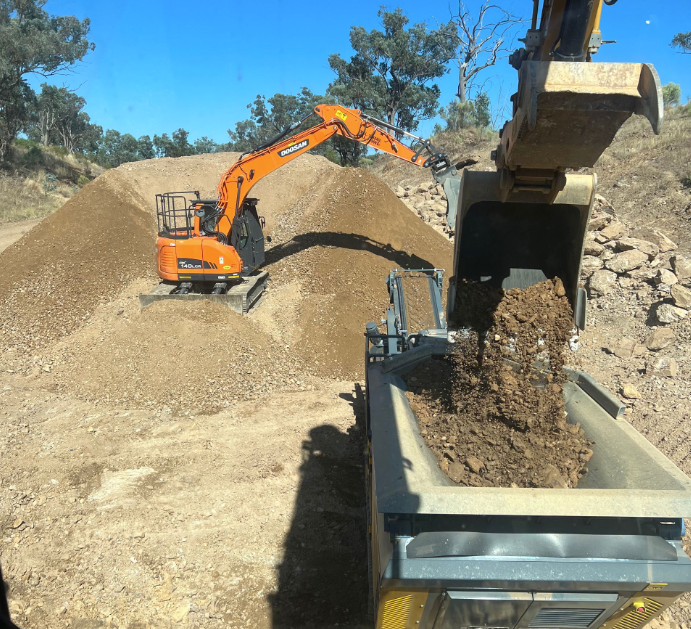
Planning an excavation, driveway, dam or building site preparation project involves understanding what affects the cost. Before construction begins, property owners need to know why quotes vary and what work is involved.
When arranging earthmoving in Dubbo, ground conditions, machinery requirements, site access and material disposal can all influence pricing. Even similar-sized projects may require different equipment and labour.
Understanding these factors can help you prepare for a quote, compare proposals and identify what needs assessment before work begins.
Why Earthmoving Quotes Can Vary Between Properties
Earthmoving costs depend on the work required, not simply the area's size. A small project with restricted access or rocky ground may take longer than a larger excavation on accessible land. Contractors must also consider site preparation, machinery transport and material handling. These differences explain why a standard price cannot accurately reflect every property's requirements.
Several factors can change the scope:
- The amount of excavation, levelling or material removal required.
- Ground conditions and obstacles beneath the surface.
- Equipment, labour and transport needed for the project.
A detailed quote should reflect the property's conditions rather than relying on general estimates.
How Machine Size & Site Access Affect Pricing
Larger machinery may move substantial quantities efficiently, but it needs enough room to operate safely. Narrow driveways, buildings, fences and overhead services can restrict access, requiring smaller machines or additional preparation. Transport distances and working space also affect the time spent on site. Where equipment cannot reach the excavation directly, additional handling may increase labour requirements.
Access restrictions can involve:
- Narrow entrances that limit machinery size.
- Sloping ground that makes equipment movement difficult.
- Confined areas that increase manoeuvring and handling time.
When discussing our machinery and capabilities, consider which equipment suits the property rather than assuming larger machines are always more economical.
Why Soil Hardness & Rock Increase Excavation Costs
Ground conditions significantly influence excavation time. Loose soil may be straightforward to remove, while compacted clay or rock can require specialised equipment. Subsurface conditions aren't always visible beforehand, making accurate phone estimates difficult. An earthmoving contractor in Dubbo may also encounter different ground conditions across the same property. Existing excavation reports or geotechnical information can help identify potential challenges before machinery arrives.
Excavation costs may increase when:
- Hard or compacted materials require additional excavation time.
- Rock requires specialised attachments or machinery.
- Unexpected ground conditions change the planned excavation method.
Identifying likely conditions early helps contractors prepare more realistic quotes.
How Much Material Needs to Be Moved?
The volume of material directly affects machinery time and transport requirements. Excavation depth, site levels and the distance material travels within the property all contribute to the workload. A shallow excavation across a large area may have different requirements from a deeper excavation covering less ground. Excavated soil can also occupy more space once loosened, affecting handling and transport calculations.
Material quantities depend on:
- The length, width and depth of excavation.
- Soil required for filling, levelling or reshaping.
- Whether excavated material stays on the property or needs removal.
Accurate measurements and site plans help establish quantities before quoting.
Spoil Disposal, Transport & Carting Distance
Excavating material is only part of the work. Contractors must also decide what happens to the removed soil and rock. Some properties have suitable areas for reuse, while others require transport to an appropriate facility. Carting distance, truck access and disposal arrangements affect the total cost. Material classification may also influence which disposal or processing options are available.
Before finalising a quote, establish:
- Whether excavated material can be reused on the property.
- How far unwanted soil or rock must travel.
- Whether crushing and recycling on site is practical for suitable materials.
Planning spoil management early helps reduce unexpected transport expenses.
Underground Services & Unexpected Site Obstacles
Existing services can complicate excavation around established properties. Water pipes, drainage, electrical cables and telecommunications infrastructure may restrict machinery movement. Locating these services helps identify whether additional precautions or relocations are necessary. Buried concrete and old foundations can also change the required work. Service plans may provide useful information, but further investigation may be necessary to confirm their actual locations.
Potential complications are:
- Underground services that restrict excavation areas.
- Buried structures requiring additional removal.
- Service relocations needed before work continues.
Early identification helps reduce interruptions after excavation begins.
How Weather & Ground Moisture Affect Earthmoving
Rainfall affects how safely machinery can operate. Saturated soil may be difficult to excavate or compact, while slippery conditions can restrict access. This is particularly relevant for rural earthmoving work, where unsealed tracks and exposed ground can be affected by rain. Wet-weather standdowns may also influence scheduling. Even after rainfall stops, some sites need additional drying time before operations can resume.
Weather delays can result from:
- Ground becoming too wet for safe machinery operation.
- Additional preparation needed to restore access.
- Work being postponed until suitable conditions return.
Discussing weather-related delays beforehand helps clarify scheduling arrangements and potential additional costs.
Why a Site Inspection Matters Before Quoting
A phone conversation can establish the general scope, but rarely provides enough detail for an accurate fixed-price quote. Contractors need to assess access, excavation requirements, ground conditions and material handling. An inspection also allows property owners to explain expectations and discuss possible complications. Reviewing the site together can clarify the intended finished levels and identify preparation work that might otherwise be overlooked.
During an inspection, contractors can assess:
- Access restrictions and suitable machinery options.
- Excavation dimensions and likely material quantities.
- Spoil handling, existing services and scheduling constraints.
When considering what to look for in an earthmoving contractor, clear explanations of these factors can help you compare proposals beyond price.
Understanding What's Included in an Earthmoving Quote
Two quotes may appear similar but cover different work. One contractor might allow for spoil disposal, while another quotes only for excavation. Machinery transport, preparation and additional equipment may also be priced separately. Checking inclusions and exclusions helps prevent misunderstandings. It is also worth confirming whether the quotation assumes particular ground conditions or provides allowances for unexpected excavation requirements.
A clear quotation should explain:
- The agreed excavation, levelling and preparation work.
- Machinery transport, spoil removal and disposal allowances.
- How variations, unexpected conditions and delays are managed.
Comparing the complete scope helps identify differences that may affect the final cost.
Discuss Your Earthmoving Project with Our Team
At Boland Contracting, we work with homeowners, rural landholders, builders and developers across Dubbo, Wellington and surrounding areas.
We understand that properties have different access conditions, ground characteristics and excavation requirements. We can discuss your project's scope and identify factors that may affect pricing before work begins.
If you need earthmoving services in Dubbo, contact our team to discuss your requirements and arrange a site assessment.
Frequently Asked Questions
Do You Need Council Approval Before Earthmoving Work?
Some earthmoving projects require development approval or must comply with specific planning conditions, particularly when substantial excavation, filling or drainage changes are involved. Requirements depend on the property, location and proposed work. Check the applicable planning rules before construction begins.
Should Property Boundaries Be Confirmed Before Excavation?
Yes. Confirming property boundaries can help prevent excavation or earthworks from extending onto neighbouring land. For projects near boundary lines, retaining walls or existing structures, a survey may be necessary to establish accurate locations and levels.
Can Excavated Soil Be Used Elsewhere on the Property?
Excavated soil may be suitable for reuse in certain landscaping or filling applications, depending on its composition, condition and intended purpose. Material containing unsuitable debris, contamination or excessive organic matter may not be appropriate. Any structural filling must meet the relevant design and compaction requirements.
What Information Should You Have Ready Before Requesting a Quote?
It helps to provide the property location, a description of the proposed work, approximate excavation dimensions and any available plans. Details about access restrictions, existing structures and your preferred timeframe can also assist with the initial discussion.
Can Earthmoving Work Be Completed in Stages?
Yes. Some projects are completed in stages to align with construction schedules, access requirements or material availability. However, staged work may involve additional machinery mobilisation and coordination. Discussing the full project scope early can help identify a practical sequence.