Building On Reactive Clay Soil In Dubbo: What It Means For Your Foundations
Reactive clay soil can affect building foundations because it expands when wet and shrinks as it dries. If you're planning earthmoving in Dubbo for a new home, extension or development, identifying these ground conditions before excavation helps your builder and engineer plan suitable foundations and site preparation.
How Does Reactive Clay Soil Affect Building Foundations?
Reactive clay changes volume as its moisture content changes. During wet periods, the soil can swell; during dry conditions, it can shrink. This movement matters because foundations need consistent support. Uneven ground movement can place stress on slabs, footings and the structure above, potentially contributing to cracking or movement over time.
Signs associated with ground movement can include:
- Cracks in brickwork, plaster or concrete
- Doors or windows becoming difficult to operate
- Movement in paving, paths or slabs
- Gaps developing around parts of a building
These signs don't automatically mean reactive clay is responsible. Drainage, vegetation, construction methods and other site conditions can also contribute, which is why proper investigation matters.
Can You Build On Reactive Clay Soil In Dubbo?
Yes. Building on reactive clay soil in Dubbo is common and manageable when the ground conditions are properly investigated and the foundations are designed accordingly.
Soil testing allows the relevant building and engineering professionals to understand the site's soil profile and expected ground movement. They can then specify a foundation system and site-preparation requirements appropriate for the project.
We've previously covered
understanding soil types for effective excavation more broadly. Reactive clay deserves particular attention because it affects both foundation planning and the practical excavation process.
Why Should Soil Testing In Dubbo Happen Before Excavation?
Soil testing in Dubbo gives your builder, engineer and excavation contractor better information about the ground beneath the proposed building area.
According to industry best practice, this investigation should happen early enough for the findings to inform foundation design and site preparation. Excavating before understanding the soil can lead to unexpected changes once work is underway.
The results can also help an earthmoving contractor plan the job more accurately. Hard reactive clay may require different machinery, attachments and working time compared with softer, easily excavated material.
How Does Reactive Clay Change Earthmoving In Dubbo?
Reactive clay isn't only an engineering consideration. It can physically change how an excavation needs to be completed.
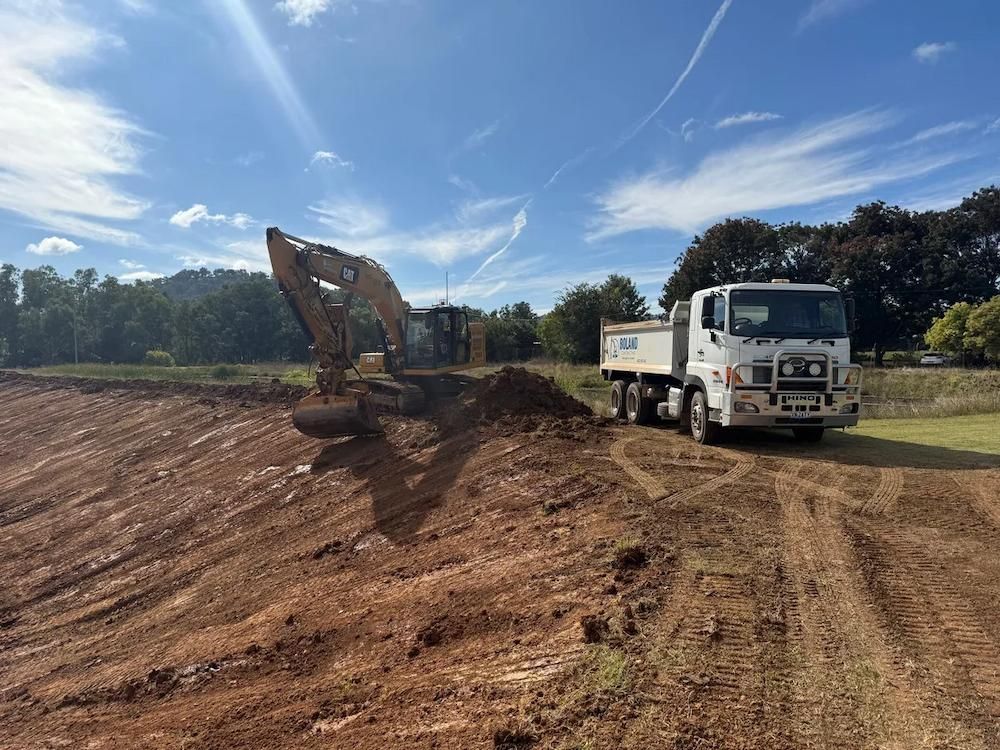
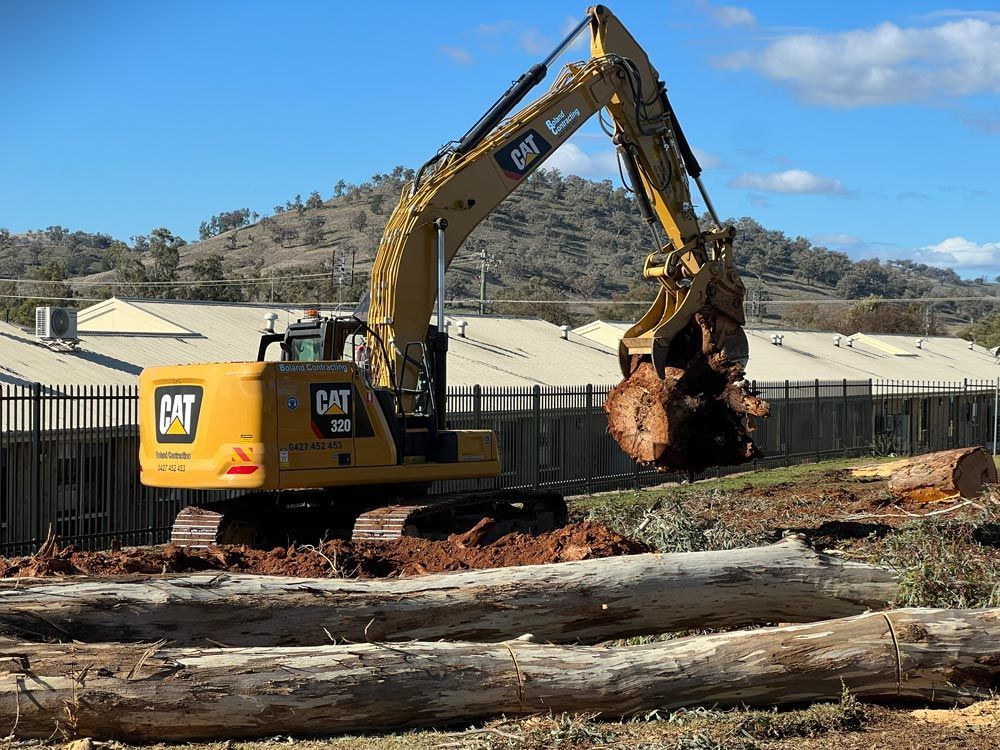
Hard or dry clay can be difficult for a standard bucket to penetrate efficiently. Depending on the conditions, excavators may need sufficient digging power and suitable bucket teeth to break the clay up cleanly.
Compaction can also require more attention. Where material needs to be placed and compacted as part of site preparation, moisture condition, layer thickness and the equipment being used all influence the result. Clay may require additional compaction passes to meet the project's requirements.
That's why Boland Contracting's
earthmoving services in Dubbo are scoped around the actual conditions of the block rather than assuming every excavation requires the same approach.
What Should Happen Before Excavating A Clay Site?
Good preparation reduces surprises once machinery arrives. Before excavation begins:
- Arrange soil testing. Understand the site's soil profile and relevant ground conditions.
- Confirm foundation requirements. Have the appropriate professional determine the foundation and site-preparation specifications.
- Provide plans to your excavator. Supply relevant levels, excavation depths and engineering information.
- Plan material handling. Establish whether excavated clay can remain on site or needs removal.
- Confirm compaction requirements. Follow the project's specified preparation and compaction standards.
This information also helps contractors quote more accurately because they can assess what equipment, attachments and working time the job is likely to require.
Why Does Compaction Matter When Building On Clay Soil?
Clay can be challenging to compact consistently because its workability changes with moisture. Very wet clay can become sticky, while dry clay can become extremely hard.
For example: a Dubbo site may have hard clay excavated from one area and reused elsewhere. Simply spreading that material and making the surface look level doesn't mean it has been adequately prepared. Depending on the specification, it may need to be broken down, placed appropriately and compacted through additional passes.
The earthmoving work should follow the requirements established for that particular project rather than relying on a one-size-fits-all approach.
Does Reactive Clay Affect Driveways Too?
Yes. Reactive clay doesn't stop at the edge of the house slab. Ground conditions can also influence driveways, access roads and other constructed surfaces.
Reactive clay doesn't just affect footings — it's also why driveway and road preparation in Dubbo needs an appropriately prepared and compacted base to help manage future movement.
For larger building projects, considering excavation, access, drainage and driveway preparation together can make site works more efficient.
What Should You Ask Your Earthmoving Contractor?
Before booking earthmoving in Dubbo, ask how the contractor plans to approach the conditions identified on your site.
Discuss their experience with hard or reactive clay, the machinery and bucket setup they expect to use, how excavated material will be managed and what compaction work is included.
Soil classification and foundation design should remain with appropriately qualified professionals. Your earthmoving contractor's role is to understand those requirements and carry out the excavation and site preparation accordingly.
How Should You Prepare For Earthmoving On A Dubbo Building Site?
Start by getting the ground conditions understood before excavation begins. Have your soil information, site plans, engineering requirements, proposed levels and access details available so your contractor can properly scope the work.
Reactive clay doesn't automatically make a Dubbo block unsuitable for building. It means the soil needs to be considered from foundation design through to excavation and compaction.
Boland Contracting provides earthmoving and excavation services for projects throughout Dubbo. If you're preparing a site for a new build, extension or development, contact our team to discuss your site conditions and excavation requirements.
You can find more practical excavation and site-preparation information on our blog.
Frequently Asked Questions
How Does Clay Soil Affect Building Foundations?
Reactive clay expands and contracts as moisture levels change. This can create ground movement, so foundation design needs to account for the conditions identified on the site.
Can You Build on Reactive Clay Soil in Dubbo?
Yes. Reactive clay can be built on when the soil is properly assessed and the foundation and site preparation are designed for those conditions.
Do I Need Soil Testing Before Excavation in Dubbo?
Soil investigation should generally occur early enough to inform foundation design and excavation requirements. It also gives your contractor better information when planning and quoting the earthmoving work.
Is Reactive Clay Harder to Excavate?
It can be. Hard, dry clay may require an excavator with adequate digging power and suitable bucket teeth to break up the material efficiently.
Does Reactive Clay Need Extra Compaction?
Depending on the project specification and condition of the material, clay can require careful placement and additional compaction passes. The required approach should follow the project's engineering and site-preparation requirements.