How Land Clearing Supports Safer Construction Sites
Before a single foundation is poured or a frame goes up, the condition of the land determines how safely and efficiently a project can run. Overgrown vegetation, hidden ground hazards and restricted access create real risks for workers and machinery alike, and earthmoving in Dubbo is no different. Controlled land clearing addresses these problems at the source, making it one of the most critical steps before any serious work begins. From fire risk reduction to regulatory compliance, professional clearing does a lot more than tidy up a block.
What Is Land Clearing and Why Does It Come First?
Land clearing is the process of removing trees, shrubs, stumps, rocks and other surface obstructions from a site before construction begins. It's one of the earliest stages of any build, and for good reason. A cluttered or overgrown site makes it difficult to assess ground conditions, establish safe pathways and position machinery without risk.
Skipping or rushing this step can create problems further down the line, including:
- Unexpected ground instability uncovered mid-build
- Equipment damage from hidden debris or root systems
- Increased risk of worker injury from uneven or obstructed terrain
- Delays caused by having to clear sections of the site reactively
Improving Site Visibility Before Work Begins
Dense scrub, tall grass and scattered vegetation make it hard to get a clear picture of what you're working with. Poor visibility on a construction site goes beyond being an inconvenience, it's a genuine safety concern that affects every worker on the ground. Workers need unobstructed sightlines to communicate with machinery operators, identify hazards and move around safely.
Clearing vegetation before work begins allows site managers to:
- Conduct accurate site assessments and surveys
- Mark out boundaries, setbacks and exclusion zones clearly
- Ensure machinery operators have full visibility of their surroundings
- Spot potential issues with drainage, slope or soil composition early
A well-cleared site makes it easier for everyone on the ground to stay aware of what's happening around them, reducing the chance of incidents.
Creating Safe and Reliable Access Across the Site
Access is a practical challenge on any construction site, and vegetation is often the reason it becomes a problem. Overgrown tracks, root-riddled paths and blocked entry points slow down the movement of people and plant, introducing avoidable risks every time a vehicle or worker navigates through them.
Proper land clearing opens up the site to:
- Safe vehicle access for excavators, trucks and other heavy equipment
- Clear emergency access routes in the event of an incident
- Defined pedestrian pathways that separate foot traffic from machinery
- Efficient movement of materials across the site without unnecessary detours
When access routes are established early through thorough clearing, the entire operation moves more smoothly from day one.
Identifying and Removing Ground-Level Hazards
Hidden hazards beneath and around vegetation are one of the most common sources of worksite injuries. Tree stumps, buried rocks, old fencing, uneven terrain and unstable soil can all go undetected until machinery or workers move across the area. Land clearing brings these issues to the surface so they can be dealt with before causing harm.
A professional clearing process involves:
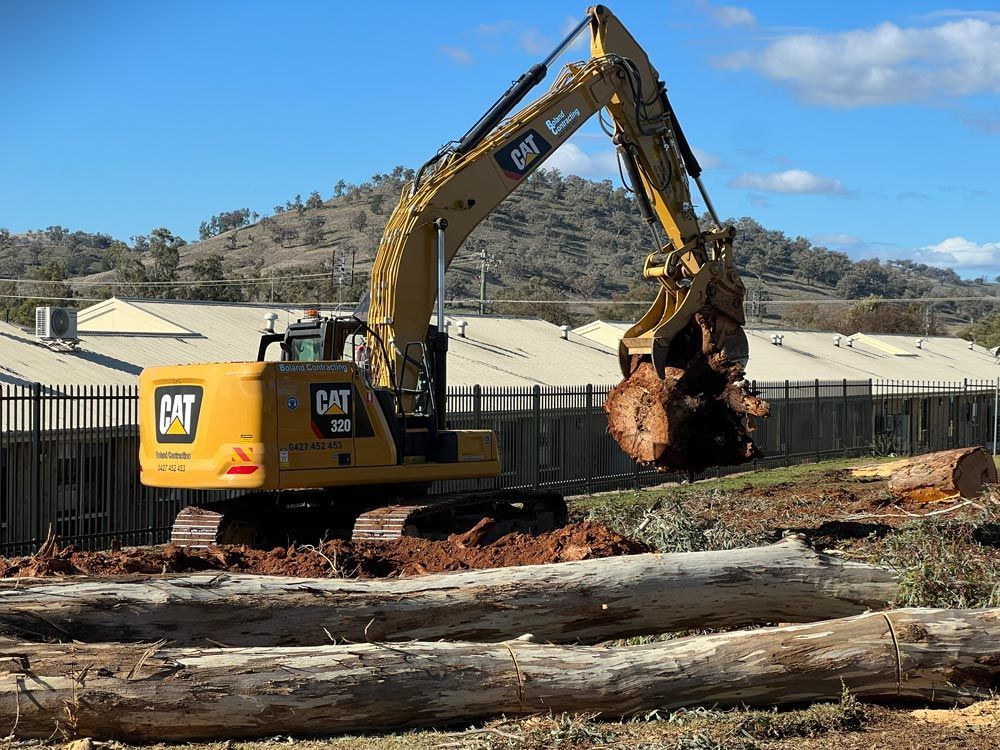
- Stump and root removal to prevent ground collapse or trip hazards
- Checking for soft or waterlogged ground that could cause problems underfoot or under machinery
- Removal of old infrastructure or debris left from previous land use
- Grading of uneven surfaces to reduce trip and rollover risks
Dealing with these hazards upfront is far safer and more cost-effective than discovering them during an active phase of the build.
Reducing Fire Risk Through Controlled Vegetation Removal
On rural and semi-rural construction sites, fire risk is a significant concern, particularly during dry periods. Accumulated dry vegetation, leaf litter and dead timber create fuel loads that can ignite quickly and spread fast. A thorough clearing programme substantially reduces this risk for workers, equipment and neighbouring properties.
Controlled vegetation removal helps manage fire risk by:
- Eliminating dry grass, scrub and debris that act as accelerants
- Clearing buffer zones around work areas and machinery storage
- Reducing the chance of sparks from equipment igniting surrounding material
- Supporting compliance with local fire safety regulations and requirements
On sites where fire risk is a factor, land clearing isn't optional and should be treated as a fundamental part of responsible site management.
Protecting the Environment During the Clearing Process
Clearing land doesn't have to come at a big environmental cost. Experienced operators know how to remove what needs to go while keeping disturbance to surrounding soil, water systems and vegetation to a minimum. Rushed or careless clearing can lead to erosion, runoff and damage that creates headaches well beyond the construction phase.
Responsible land clearing takes into account:
- Sediment and erosion control during and after the clearing process
- Protection of retained vegetation and root zones around designated trees
- Correct disposal or repurposing of cleared material
- Timing clearing work to avoid unnecessary impact on local wildlife or drainage
Taking a considered approach to clearing protects the long-term integrity of the site and reduces the risk of costly remediation later.
Why Land Clearing Matters for Worksite Compliance
Worksites have a range of obligations under work health and safety legislation, and for earthmoving in Dubbo that includes ensuring land clearing is done properly before any serious work begins. A poorly prepared site creates conditions that are hard to manage safely, putting both workers and project managers in a tough spot when it comes to staying on the right side of the rules.
Cleared and well-prepared sites support compliance by:
- Allowing safe access and egress as required under WHS regulations
- Reducing the likelihood of incidents that require reporting or investigation
- Making it easier to maintain site induction and hazard identification processes
- Supporting council and development approval conditions related to site management
Getting land clearing done properly is one of the more straightforward ways to keep a site safe, compliant and running without unnecessary hold-ups.
The Role of Earthmoving in Effective Land Clearing
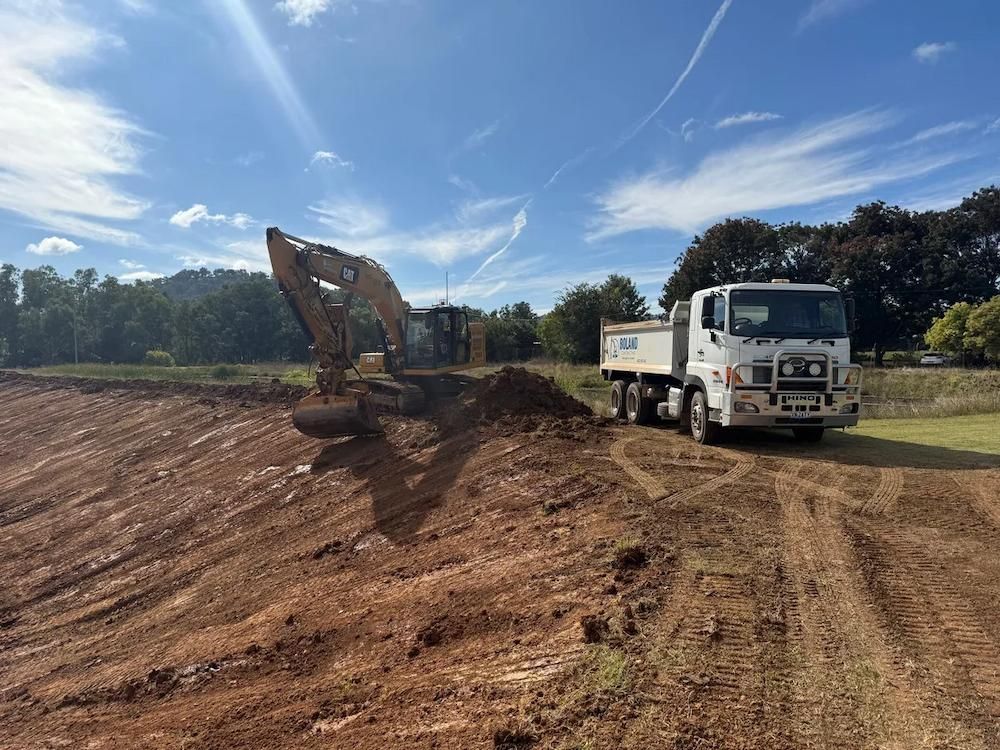
Getting land clearing done properly takes more than a chainsaw and a trailer. On construction sites, the job calls for the right earthmoving machinery handled by experienced operators who know both the technical and safety side of the work. Excavators, bulldozers and graders get the job done efficiently and with far greater precision than manual methods alone.
A skilled earthmoving team supports land clearing through:
- Bulk removal of stumps, root systems and compacted debris
- Grading and levelling of cleared areas to prepare for the next phase of works
- Trenching and drainage preparation once surface obstructions are removed
- Shaping and contouring the site to support construction and stormwater management
When land clearing and earthmoving are handled together, the transition from raw land to a ready-to-build site happens far more efficiently.
Ready to Prepare Your Site the Right Way?
We at Boland Contracting recognise that no two sites are the same, and the groundwork established at the start makes everything that follows easier and safer. Whether you're managing a residential build, a civil project or a large-scale rural development, our team has the equipment and experience to handle land clearing and earthmoving in Dubbo and across the Central West. If you have a project coming up, get in touch with our team today to get a quote.